2 min read
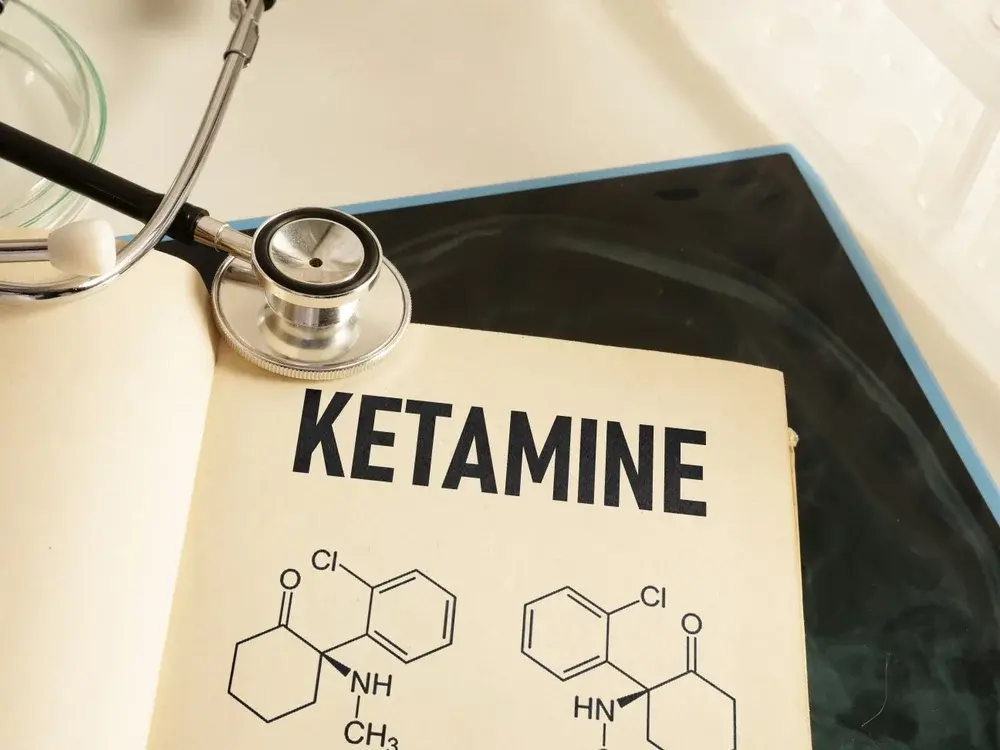
TL;DR: Ketamine for depression offers a different approach for people who haven’t experienced enough relief from conventional antidepressants or other treatments. This blog explains how ketamine therapy works, how quickly it may take effect, and what patients can expect from treatment.
- Ketamine primarily affects the brain’s glutamate system rather than the pathways targeted by traditional antidepressants.
- Some patients may experience antidepressant effects relatively quickly.
- IV ketamine is prescribed off label for depression and administered under medical supervision.
- Benefits typically last for weeks to months, with maintenance treatments recommended for some patients.
- A personalized treatment plan helps determine the appropriate frequency of ketamine infusions.
Depression doesn’t always respond to the first or even the fifth treatment someone tries. For people who continue experiencing symptoms despite antidepressants, therapy, or other approaches, ketamine for depression has emerged as another treatment option.
So, what is ketamine for depression, and why has it received so much attention? Ketamine is a medication that has been used as an anesthetic for decades. At lower doses, research has found that it can produce rapid antidepressant effects in some people, including patients with treatment-resistant depression.
Unlike traditional antidepressants, which typically affect serotonin, norepinephrine, or dopamine, ketamine therapy primarily influences the brain’s glutamate system. This different mechanism may help explain both the potential benefits of ketamine and how quickly some patients respond.
What Is Ketamine Treatment for Depression?
Ketamine treatment for depression typically involves administering a carefully controlled dose in a medical environment. One common approach is a ketamine infusion, which delivers the medication intravenously while the patient is monitored by trained medical professionals.
Treatment isn't a one-and-done appointment. Ketamine therapy for depression commonly begins with a series of six treatments, over 2-3 weeks, followed by maintenance or booster sessions when appropriate.
A provider develops a personalized treatment plan based on factors such as symptoms, medical history, previous treatments, response to ketamine, and overall health.
How Does Ketamine Help Treat Depression?
The effects of ketamine differ from those of conventional antidepressants. Ketamine acts on the glutamate system, including NMDA receptors and may promote changes in brain signaling and connectivity.
One major reason clinicians have become interested in using ketamine to treat depression is its speed. Traditional antidepressants may require several weeks to months to produce noticeable improvement. Most patients receiving ketamine experience improvement in hours to days.
That doesn't mean everyone responds the same way. Results can vary considerably, and ketamine isn't appropriate for every patient.
How Long Does Ketamine Work for Depression?

There isn't one timeline that applies to everyone. Some people experience benefits lasting a few weeks after treatment. Others can enjoy relief for years. On average, patients experience 2-3 months of relief. Most will need additional sessions to achieve or maintain meaningful symptom improvement long term.
This is also why ongoing evaluation matters. Rather than promising that one infusion will provide long-term relief, clinicians can monitor symptoms and adjust the treatment plan according to the patient's response.
Is Ketamine Prescribed for Depression?
Is ketamine prescribed for depression? Yes. IV ketamine can legally be prescribed off-label for depression, although ketamine itself is not FDA-approved specifically for treating depression. Esketamine, sold under the brand name Spravato, does have FDA approval for major depressive disorder (MDD) and MDD with suicidal ideation.
Off-label prescribing isn't unusual in medicine, in fact, about one in three of all psychiatric medications are prescribed off label. As with any treatment, patients should receive proper medical and psychiatric evaluation before starting.
What Are the Potential Benefits of Ketamine?
For appropriate patients, the potential benefits of ketamine include a rapid onset of antidepressant effects and an alternative mechanism for people who haven't responded adequately to conventional treatments.
The key is individualized care. Ketamine therapy for depression isn't a universal solution, but for most people living with difficult-to-treat depression, it can provide a highly effective, safe, rapid acting path toward symptom relief and improved quality of life.