kcla icon

OCD Treatment in Los Angeles 

Ketamine Clinics Los Angeles (KCLA) offers adult OCD care through psychiatric evaluation, medication management, OCD-specific TMS, IV Ketamine, and coordination with therapists trained in Exposure and Response Prevention (ERP). Spravato applies only to a separate qualifying depression diagnosis.

ERP and serotonin reuptake inhibitor medication are established first-line treatments. When symptoms remain impairing, a careful review can help determine whether medication changes, better-matched ERP, or adjunctive TMS or IV Ketamine is appropriate.1,2

Your free phone consultation is with a care coordinator about appointments, fit, and payment. You do not need to describe the content of intrusive thoughts. Clinical evaluation and treatment are separate services.

Adults 18+
Los Angeles Appointments
California Telehealth Psychiatry

Is KCLA a good fit for your OCD care?

An evaluation may help if intrusive thoughts, checking, washing, avoidance, reassurance seeking, or mental rituals are consuming time or limiting daily life. We also see adults seeking a medication review or another option after ERP or medication has not helped enough.

KCLA provides scheduled outpatient care. If you need weekly ERP alone or an intensive OCD program, ask about current availability and referral options before booking.

OCD pg 1

Compare OCD treatment options

ERP and medication are first-line care. This display order is not a recommended treatment sequence.

Option Role in ocd care Main consideration
Medication Established treatment, often combined with ERP. Adequate medication trials and follow-up matter.
IV Ketamine An off-label option after clinical review. Self-pay.
TMS FDA-cleared adjunctive treatment for adult OCD using the appropriate system and protocol. Requires OCD-specific screening and repeated clinic visits.
Spravato Treatment of a separate qualifying depression diagnosis. Not approved or established for core OCD symptoms.
Therapy ERP directly addresses obsessions, rituals, and avoidance. An OCD-trained clinician should deliver structured ERP.

kcla icon

OCD treatment options at KCLA

OCD medication management

A psychiatric evaluation reviews symptoms, prior ERP and medication, co-occurring conditions, and safety. SSRIs are first-line medications; clomipramine and selected augmentation strategies may also be considered. OCD medication trials often require 8 to 12 weeks at an appropriate dose before you can assess response.1 Your clinician monitors benefit, side effects, and interactions. Do not change or stop medication without guidance.

IV ketamine for OCD

IV ketamine for OCD is off-label. Experience and studies show potential improvement in some patients. It should not replace adequate ERP and medication care.3 KCLA may consider it after psychiatric and medical review, especially when significant depression also needs treatment. Infusions require monitoring and a ride home

TMS for OCD

Transcranial magnetic stimulation uses targeted magnetic pulses without anesthesia. MagVenture systems have FDA clearance as an adjunct for adult OCD when used with the applicable device configuration and protocol. This is a distinct OCD treatment protocol, rather than an assumption that a depression protocol treats OCD.2 KCLA reviews prior treatment, symptoms, contraindications, and the appropriate protocol. Treatment may include clinician-guided symptom activation and requires repeated in-person visits. Confirm the actual weekly schedule and course length before starting. Insurance coverage and prior-treatment requirements vary.

Spravato for co-occurring depression

Spravato is not FDA-approved for OCD. It may be considered only when a patient separately qualifies for an approved adult depression indication. OCD still requires its own treatment plan.4 Treatment requires at least two hours of monitoring in a REMS-certified setting. Arrange a ride home; do not drive until the next day after restful sleep.

couple hugging

ERP and coordinated therapy

Exposure and Response Prevention is a form of CBT that helps you gradually approach triggers while reducing rituals, avoidance, and reassurance seeking. ERP is collaborative and paced to the treatment plan. General supportive therapy is not a substitute for a structured ERP course.1

KCLA psychiatric visits may include supportive psychotherapy, and we can coordinate with an outside OCD-trained therapist with your permission.

When OCD treatment has not helped enough

A reassessment can confirm the diagnosis and assess whether prior medication and ERP were adequate. The next step might be medication optimization, more specialized ERP, combined care, OCD-specific TMS, or IV Ketamine.

kcla icon

Insurance Accepted & Payment Options

KCLA accepts most major insurance plans, including Medicare, for TMS, Spravato, and Psychiatric Care. Some plans may also cover IV Ketamine. Coverage varies by plan, provider, and treatment. Our team can verify your benefits and explain estimated out-of-pocket costs before you begin.

Self-pay financing options include up to 24 months interest-free, subject to eligibility and financing terms.


aetna Anthem Blue-Shield Carelon Cigna Compsych Enthea Kaiser Magellan Medicare MHN Optum Tricare TRIWEST

Understanding OCD


Obsessive-compulsive disorder involves unwanted, intrusive thoughts, images, or urges called obsessions, repetitive behaviors or mental acts called compulsions, or both. Symptoms are time-consuming or cause significant distress or impairment. OCD is more than neatness or perfectionism.1

Common patterns include contamination fears and washing; harm fears and checking; symmetry or counting rituals; and unwanted sexual, religious, or aggressive thoughts followed by mental review or reassurance seeking. Mental compulsions may be less visible but can be just as disruptive.

There is no single established cause. Genetic, biological, and environmental factors contribute to its development. Depression, anxiety, tic disorders, and other concerns may occur alongside OCD. A clinical evaluation reviews symptoms, impairment, history, and alternative explanations. Measures such as the Yale-Brown Obsessive Compulsive Scale can support assessment and track change.1

Unwanted harm obsessions do not automatically indicate a desire to act. A clinician should still assess actual risk. Intent or a plan to act, inability to stay safe, or immediate danger requires urgent help.


What to expect at KCLA

1.

Speak with a treatment coordinator

Discuss appointments and payment without sharing intrusive-thought details.

2.

Complete an evaluation

A psychiatrist or psychiatric nurse practitioner will review symptoms, prior ERP and medication, co-occurring conditions, and goals.

3.

Review your options

Understand the recommended care, alternatives, time commitment, and estimated costs.

4.

Track progress

Follow-up considers symptoms, side effects, time spent on rituals, and daily functioning.

Why choose KCLA for OCD care

KCLA has served Los Angeles since 2014. Psychiatric care, OCD-specific TMS, and IV Ketamine can be considered within one practice, with coordination with an outside ERP therapist when appropriate. The plan starts with your prior treatment experience and current needs.

kcla icon

Your KCLA Providers

kathleen

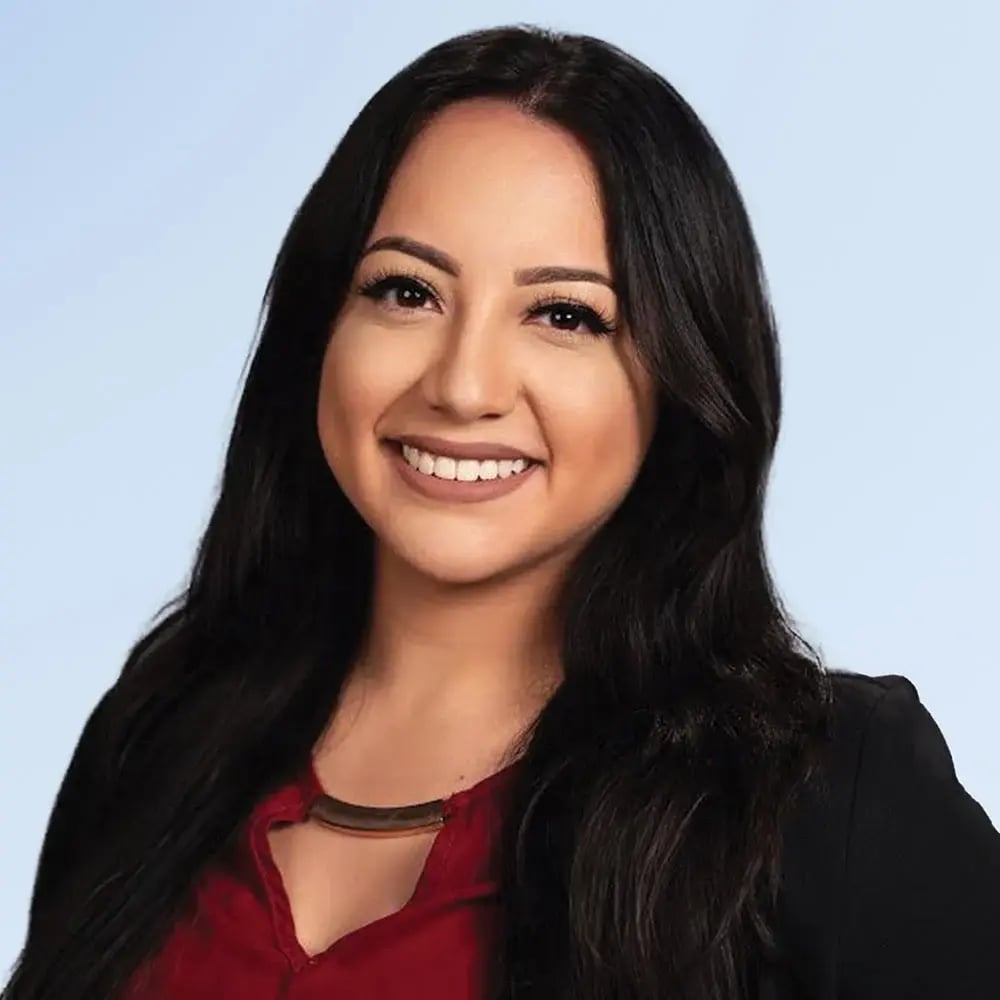
Kathleen Lopez, MD

Psychiatrist, Double Board Certified in Adult Psychiatry and Child and Adolescent Psychiatry

Kathleen Lopez, MD

Kathleen Lopez, MD, is a board-certified psychiatrist specializing in adult psychiatry as well as child and adolescent psychiatry at Ketamine Clinics Los Angeles. She earned her Bachelor of Science in Psychology with a pre-medical focus from Pacific Union College and her medical degree from Loma Linda University School of Medicine. She completed her adult psychiatry residency at the University of California, Riverside, and a child and adolescent psychiatry fellowship at UCLA, where she also served as Administrative Chief.


Dr. Lopez is deeply passionate about expanding access to high-quality mental health care, with a special focus on neurodiverse youth and adults. Fluent in both English and Spanish, she is committed to providing inclusive, compassionate care that supports individuals and families in meaningful and culturally responsive ways.


She was drawn to Ketamine Clinics Los Angeles for its collaborative culture and shared commitment to patient-centered care. Outside the clinic, Dr. Lopez enjoys crocheting, weight lifting, camping, and growing her home library. She also has a background in vocal music and continues to hold a lifelong love for music.

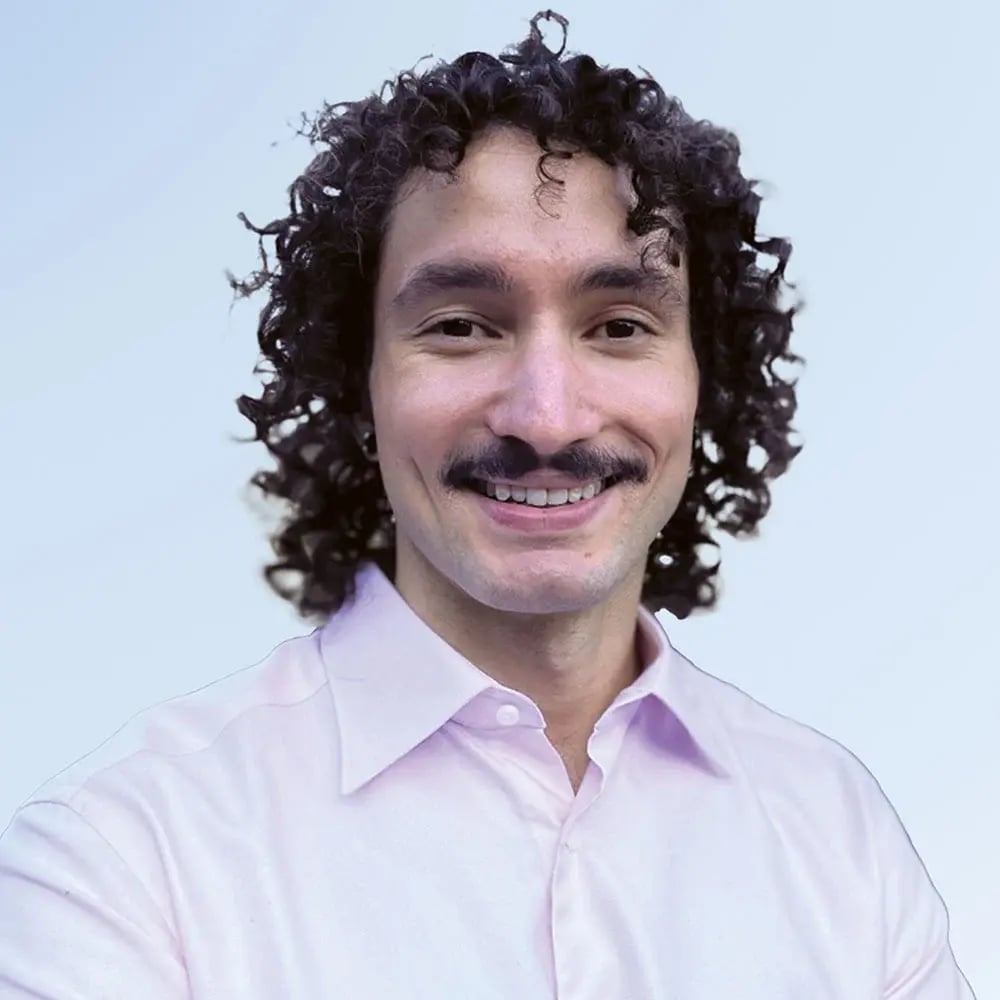
Pascal Stirnimann, DNP, PMHNP-BC

Pascal Stirnimann, DNP, PMHNP-BC

Doctor of Nursing Practice, Psychiatric Mental Health Nurse Practitioner, Board Certified

Pascal Stirnimann, DNP, PMHNP-BC

Pascal Strinimann is a Psychiatric Mental Health Nurse Practitioner at Ketamine Clinics Los Angeles with a Bachelor of Arts in Psychology from the University of Miami and both a Master of Science in Nursing and Doctor of Nursing Practice from Columbia University. He specializes in treating mood disorders, trauma-related disorders, and impulse control disorders across the lifespan.


Pascal has experience in both inpatient and outpatient mental health settings, including training at a women’s shelter in New York City. His clinical background supports a comprehensive and compassionate approach to psychiatric evaluation and treatment.


He takes a holistic, family-informed approach and works closely with clients through shared decision-making to develop personalized treatment plans that support emotional health, functional improvement, and long-term wellness.  Outside the clinic, Pascal enjoys spending time outdoors biking, running, or hiking, or indoors cooking and catching up on movies and TV.

Appointments and payment

Visit KCLA at 6801 Park Terrace, Suite 525, Los Angeles, CA 90045, in Playa District. Patient care hours are Monday through Thursday, 9 a.m. to 7 p.m. Pacific. Psychiatry may be available by telehealth while you are physically in California; IV ketamine, TMS, and Spravato require clinic visits.

KCLA accepts most health insurance, which usually covers psychiatry, depending on the plan, clinician, and service. TMS or Spravato generally requires a separate qualifying diagnosis and authorization. IV ketamine for anxiety is commonly self-pay. Benefits checks and estimates do not guarantee payment.

Self-pay psychiatry is $400 for a 60-minute evaluation and $200 for a 30-minute follow-up.

woman on beach enlightened

Frequently asked questions

Do I need a confirmed OCD diagnosis?

No. You can request an evaluation to clarify symptoms and appropriate treatment. An initial coordinator call handles scheduling and fit, not diagnosis.

Can I see an OCD psychiatrist at KCLA?

Yes, subject to availability. Appointments may be with a psychiatrist or psychiatric nurse practitioner.

Is TMS FDA-approved for OCD?

The accurate term is FDA-cleared for the applicable device and indication. Specific MagVenture systems and protocols are cleared as adjunctive treatment for adults with OCD. Eligibility and outcomes vary.2

Does KCLA provide weekly ERP?

Psychiatric visits may include supportive therapy. A structured course of ERP requires an OCD-trained therapist; confirm current availability and referral options before booking.

kcla icon

Discuss your OCD treatment options

If OCD is taking time away from your life or prior care has not helped enough, we can help identify the next appropriate evaluation.

Urgent help: KCLA is not an emergency service. Call 911 for immediate danger or a medical emergency. For suicidal or emotional crisis support in the United States, call or text 988. This page is educational; diagnosis, eligibility, and treatment require individual clinical evaluation. Results vary.

woman looking our over cliff with arms outstretched

Your Journey
Starts Here